
The Majestic Hindu Kush Mountains: A Complete Guide to Pakistan’s Untamed Highlands
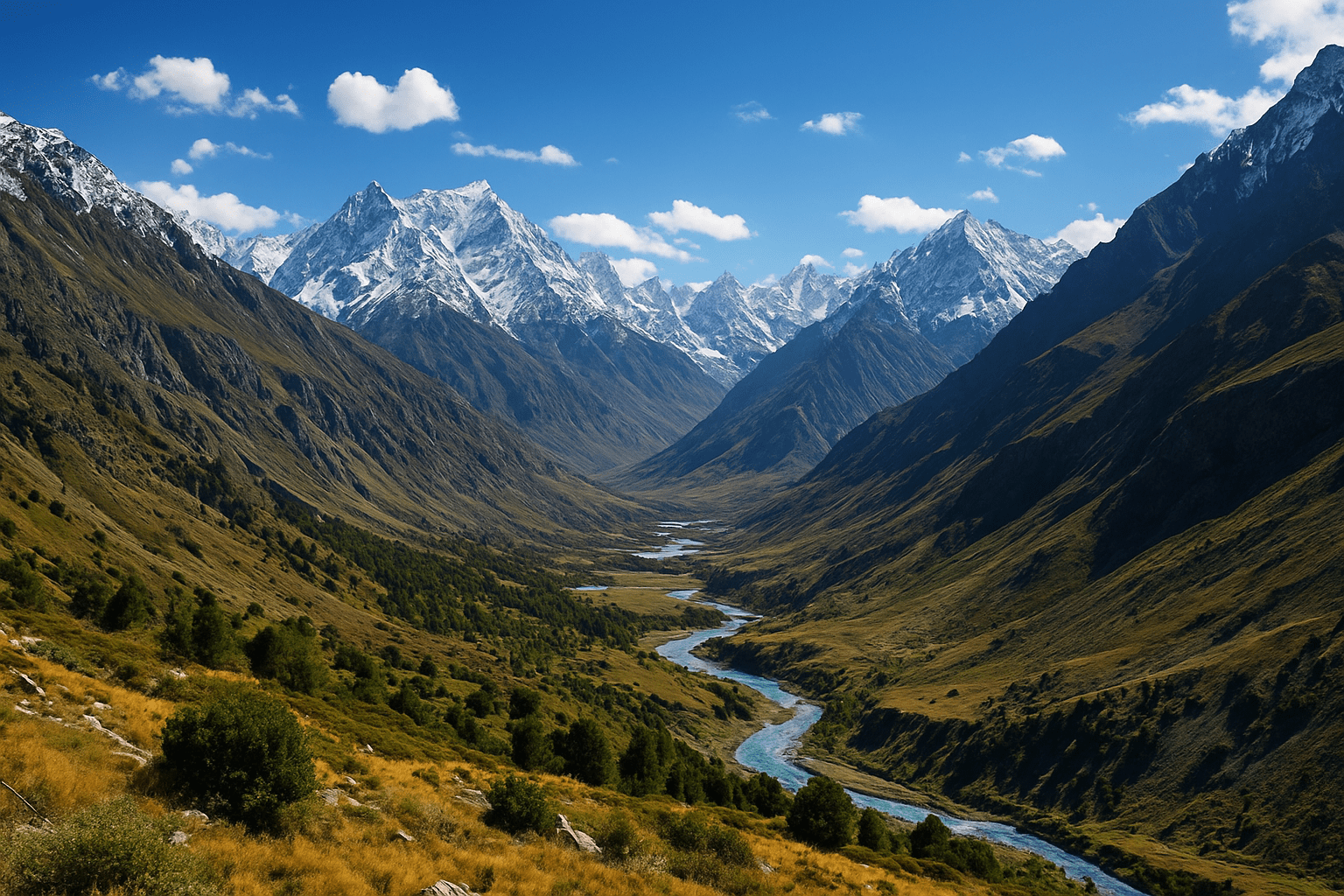
The Hindu Kush Mountains, one of the world’s most sensational and truly critical mountain ranges, stand as an awe-inspiring normal boundary extending over Pakistan, Afghanistan, and into Tajikistan. Known for their rough crests, old exchange courses, inaccessible valleys, and social differing qualities, the Hindu Kush remains one of the slightest investigated however most breathtaking mountain locales on Earth.
This blog takes you deep into the landscapes, history, culture, ecology, and travel wonders of the Majestic Hindu Kush Mountains.
1. Introduction: Where the Hindu Kush Mountains Begin
The Hindu Kush Mountain Run starts close the Pamir Mountains and extends over 800 kilometers, shaping a normal division between Central Asia and the Indian Subcontinent. The title “Hindu Kush,” regularly deciphered as “Killer of Hindus,” follows back to old exchange courses where cruel winters and tricky landscape claimed incalculable lives.
Today, the region is known not for danger, but for its untouched beauty, glacier-carved valleys, and ethnic communities such as the Kho, Nuristani, and the world-famous Kalash people.
2. Geography and Formation of the Hindu Kush Range
The Hindu Kush Mountains frame portion of the more noteworthy Himalayan mountain framework, nearby the Karakoram and Hindu Raj ranges. These mountains were shaped millions of a long time back due to structural collision between the Indian and Eurasian plates — the same constrain capable for Mount Everest and the Tibetan Plateau.
Key Geographic Highlights
- Highest Peak: Tirich Mir (7,708 m), located in Chitral, Pakistan
- Other major peaks: Noshaq (7,492 m), Istor o Nal (7,403 m)
- Important passes: Lowari Pass, Dorah Pass, Broghil Pass
- Connected regions: Gilgit-Baltistan, Khyber Pakhtunkhwa, Badakhshan
The dramatic elevation changes bring diverse climates — from snow-capped summits to fertile river valleys shaped by the Chitral River, Kunar River, and tributaries of the Amu Darya.
3. History & Cultural Significance of the Hindu Kush Mountains
The Hindu Kush has been a quiet witness to thousands of years of human movement, struggle, exchange, and settlement. Old realms — counting the Achaemenids, Greeks, Kushan Realm, Mughals, and others — crossed these crests to enter South Asia.
3.1 The Silk Route Connection
For centuries, the Hindu Kush served as a bridge for dealers and travelers moving over the Silk Road, connecting Samarkand, Balkh, Taxila, and Kashgar. Indeed nowadays, remainders of antiquated caravan ways can be found all through the region.
3.2 Home to Unique Ethnic Groups
The mountains are home to diverse cultures, including:
- Kalash People: Popular for their old polytheistic traditions.
- Kho Tribe of Chitral: Known for the agile Khowar language.
- Nuristani Groups: One of the world’s most antiquated ethnic civilizations.
Their festivals, clothing, music, and rituals form a living cultural museum.
4. The Natural Beauty and Ecology of the Hindu Kush Mountains
The ecological diversity of the Hindu Kush Mountains is unmatched, with landscapes ranging from alpine meadows to cold deserts.
4.1 Wildlife of the Hindu Kush
The region hosts several rare species:
- Snow Leopard
- Markhor (Pakistan’s national animal)
- Himalayan Ibex
- Black Bear
- Lynx
- Lammergeier Vulture
This makes it a hotspot for wildlife photography and biodiversity research.
4.2 Flora of the Hindu Kush
The lower valleys feature:
- Pine forests
- Juniper groves
- Wild orchids
- Alpine flowers
In summer, fields turn lush green, contrasting beautifully with the towering, snowy peaks.
5. Top Destinations to Explore in the Hindu Kush Mountains
The Hindu Kush region of Pakistan is a dream destination for travelers seeking adventure, peace, or cultural discovery. Here are the must-visit places:
5.1 Chitral Valley
One of the most scenic valleys in Pakistan, Chitral is the gateway to the Hindu Kush.
Highlights of Chitral:
- Majestic views of Tirich Mir
- Historic Chitral Fort
- The peaceful Chitral Gol National Park
- Friendly local communities
The valley offers unmatched serenity and sweeping views of the surrounding peaks.
5.2 Kalash Valleys: Bamburet, Rumbur & Birir
Perhaps the most socially interesting valleys in the world, the Kalash Valleys are domestic to the dynamic Kalash tribe.
Things That Make Kalash Special
- Chilam Joshi Festival
- Uchal Festival
- Elegant black dresses with colorful embroidery
- Ancestral wooden homes
The lush landscapes blend perfectly with their ancient traditions.
5.3 Broghil Valley & Karambar Lake
Located close the Afghan border, Broghil Valley is a covered up heaven of the northern Hindu Kush.
Why Visit Broghil?
- Frozen lakes
- Yak pastures
- Traditional Wakhi culture
- Trekking route to Karambar Lake, one of the world’s highest lakes
5.4 Tirich Mir Base Camp
For trekkers and mountaineers, reaching the Tirich Mir Base Camp is a once-in-a-lifetime experience. The route takes you through glaciers, rocky terrain, and lush pockets of wilderness.
5.5 Lowari Pass
A stunning high-altitude pass connecting Chitral to Upper Dir.
What to Expect
- Snow walls in winter
- Sweeping road curves
- Unmatched mountain panoramas
6. Adventure Tourism in the Hindu Kush Mountains
The Hindu Kush region is one of the best adventure travel destinations in Pakistan and Central Asia.
Popular Activities Include:
- Trekking & Hiking
- Mountaineering
- Skiing (Chitral & Madaklasht)
- Camping
- Cultural Tourism
- Wildlife Photography
- Landscape Photography
Travelers seeking off-grid experiences find this mountainous paradise irresistible.
7. Best Time to Visit the Hindu Kush Mountains
Ideal Seasons
- Spring (April–June): Flower bloom, pleasant weather
- Summer (June–September): Best for trekking & sightseeing
- Autumn (October): Golden forests, clear skies
Avoid Winter (December–March)
Heavy snowfall blocks roads and passes, making travel difficult.
8. How to Reach the Hindu Kush Mountains
By Air
The easiest route is via Chitral Airport, connected through flights from Islamabad.
By Road
The Lowari Tunnel and Lowari Pass give street get to from Dir and Peshawar.
International Travelers
Foreign visitors can reach the locale after landing in Islamabad and driving through Khyber Pakhtunkhwa.
10. Conclusion: The Timeless Majesty of the Hindu Kush Mountains
The Grand Hindu Kush Mountains are more than towering crests — they are a world of history, culture, untouched scenes, and breathtaking common ponders. From the peaceful Chitral Valley to the supernatural Kalash culture, from glacier-filled gorges to sky-high lakes, this locale captures the quintessence of crude excellence and antiquated legacy.
For travelers looking for enterprise, social profundity, or unadulterated normal heavenliness, the Hindu Kush Mountains stay one of the most exceptional goals on Soil — still wild, still secretive, and still holding up to be found.

Recent Posts
Best Time to Visit Skardu for Snowfall
Lok Virsa Museum: A Celebration of Pakistan’s Cultural Heritage